US indicts leaders of Mexico's CJNG cartel, ups reward money / Photo: Anna Moneymaker - GETTY IMAGES/AFP
The United States announced charges on Wednesday against several high-ranking members of one of Mexico's most powerful drug cartels and increased reward money for the capture of its leaders to more than $100 million.
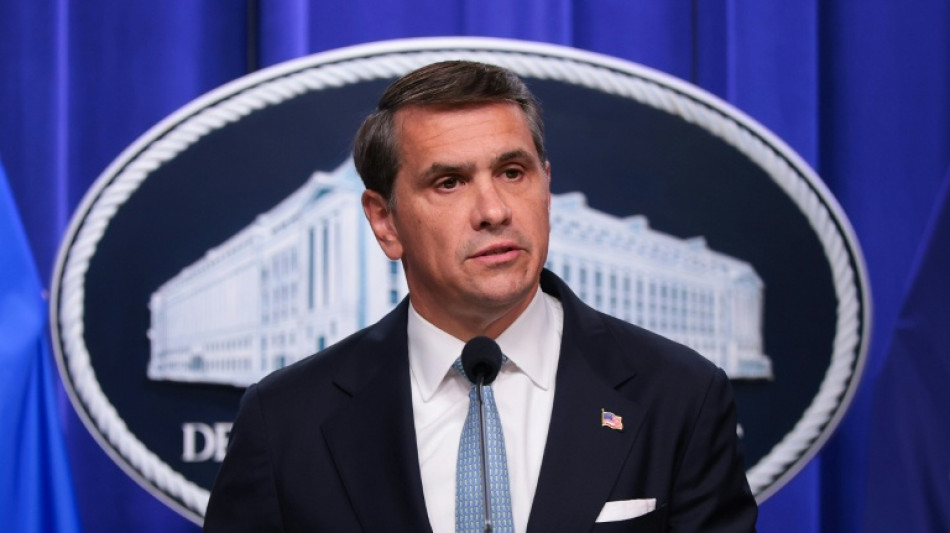
The indictments of five members of the Jalisco New Generation cartel, known by its Spanish acronym CJNG, were unveiled at a press conference by Acting Attorney General Todd Blanche.
"These cartel members have been charged with a range of crimes including running drug networks, organizing highly trained hitmen responsible for murders... procuring weapons, money laundering and deadly drug manufacturing and distribution," Blanche said.
CJNG was designated a "foreign terrorist organization" by the Trump administration last year and is accused of running an ultra-violent global network trafficking in fentanyl, cocaine, heroin and methamphetamine.
In an announcement coinciding with the indictments, the State Department said it was raising to more than $100 million the total reward money for information leading to the arrest of top CJNG leaders, several of whom were indicted previously.
The reward for the capture of the new leader of CJNG, Juan Carlos Gonzalez, known as "Pelon," was increased from $5 million to $25 million.
Gonzalez allegedly took control of the cartel after the killing of his stepfather, CJNG founder Nemesio "El Mencho" Oseguera, earlier this year.
Reward money ranging from $2 million to $15 million was offered for information leading to the arrest of several other cartel leaders.
In addition, the State Department said that it was imposing visa restrictions on 65 individuals who are family members or close personal or business associates of CJNG-linked persons.
The United States announced a slew of sanctions last month targeting more than 50 Mexican individuals and entities allegedly with ties to CJNG.
The sanctions targeted a wide range of individuals and companies that Washington says are linked to CJNG's leadership through business or family ties and that are used by the cartel to launder or conceal their assets.
"El Mencho" was captured in a military sweep in Mexico's Jalisco state in February but died of his injuries en route to hospital.
The killing sparked a wave of violence across Mexico, with the cartel setting up highway blockades and setting fire to vehicles and buildings in 20 of the country's 32 states.
More than 70 people died, most in Jalisco.
L.Ross--CT