Four out of every 10 cancer cases are preventable: WHO / Photo: NOEL CELIS - AFP/File
Nearly four out of every 10 cancer cases could be prevented if people avoided a range of risk factors including smoking, drinking, air pollution and certain infections, the World Health Organization said Tuesday.
New research published on the eve of World Cancer Day estimated that 38 percent of all new cancer cases globally in 2022 -- 7.1 million -- were linked to preventable causes.
The large team of researchers, which included the WHO's International Agency for Research on Cancer, looked at 30 factors that increase the risk of getting cancer.
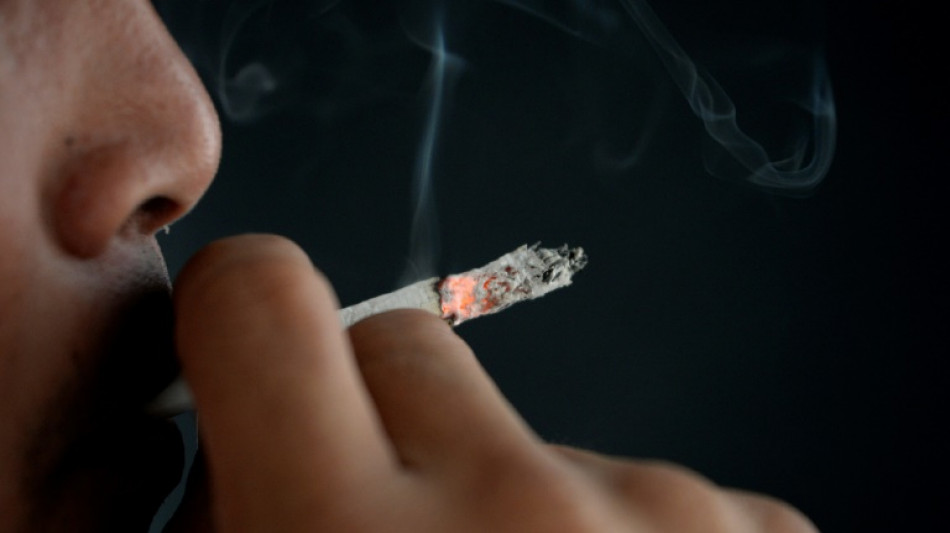
Tobacco was the leading offender, responsible for 15 percent of all new cancer cases, followed by cancer-causing infections with 10 percent and drinking alcohol with three percent, according to the study published in the journal Nature Medicine.
Other risk factors included being overweight, a lack of exercise, UV radiation and being exposed to threats such as asbestos while working.
"This is the first global analysis to show how much cancer risk comes from causes we can prevent," senior study author Andre Ilbawi, the WHO's team lead for cancer control, said in a statement.
Almost half of all the preventable cases were lung, stomach or cervical cancer.
Lung cancer was linked to smoking and air pollution, while stomach cancer was largely linked to a bacteria called Helicobacter pylori.
Cervical cancer cases were overwhelmingly caused by human papillomavirus (HPV), which vaccines are effective against.
Men were far more likely to get preventable cancer, with 45 percent of new cases compared to 30 percent for women.
And nearly a quarter of all preventable cancer cases among men were from smoking, compared to 11 percent for women.
To address the problem, the researchers called for countries to adopt strong tobacco control measures and alcohol regulation, and to vaccinate against common infections such as HPV, improve air quality and ensure safer workplaces, healthy diets and exercise.
"If we want to reduce the cancer burden we also need to reduce the noncommunicable disease (NCD) burden -- it is indisputable that tobacco, alcohol, ultra-processed food and air quality are major drivers of multiple kinds of cancer," said Katie Dain, CEO of the NCD Alliance.
J.Wood--CT